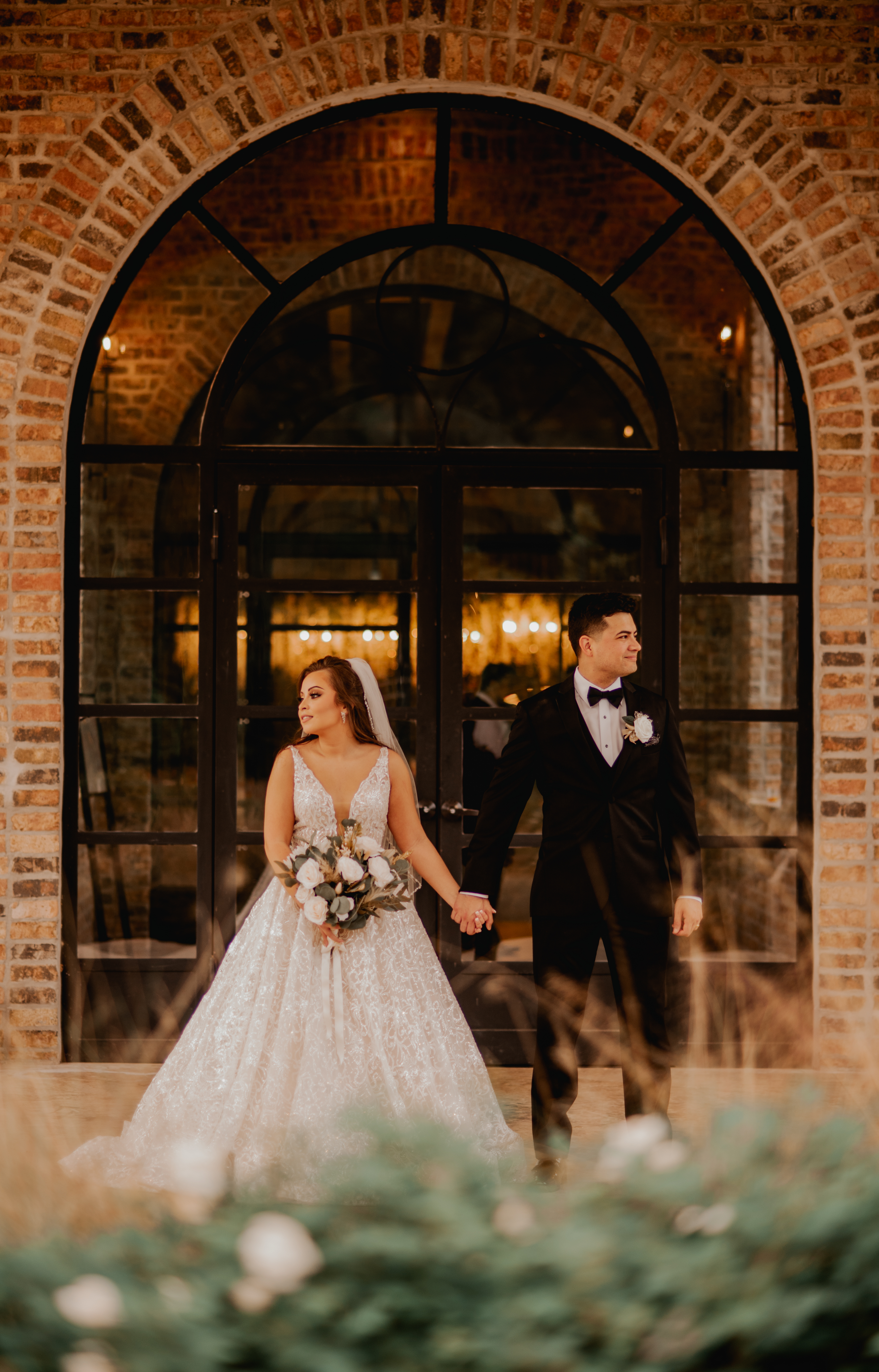
Cinematic vs Documentary Wedding Films: How to Choose
Discover the differences between cinematic vs documentary wedding films. Learn how to choose the perfect style to capture your special day.
July 3, 2026
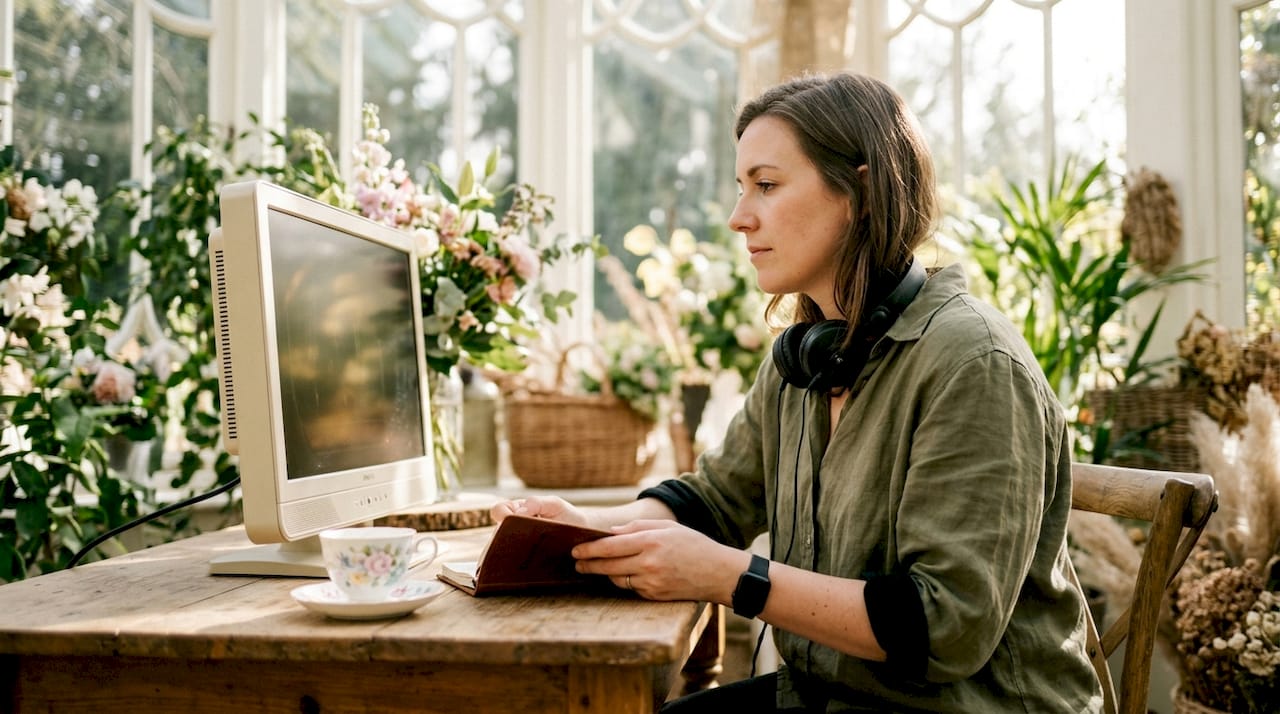
Cinematic vs documentary wedding films represent two fundamentally different approaches to preserving your wedding day, and the right choice shapes what you will watch and feel for decades. A cinematic wedding film is a stylized, narrative-driven production that uses pacing, composition, light, and music to create an emotional story. A documentary wedding film is an observational, chronological record that captures real moments with minimal direction and natural sound. Most couples in 2026 choose a hybrid approach that combines a cinematic highlight reel with full documentary coverage of vows and speeches, because it delivers both emotional impact and a faithful record.
1. What are cinematic vs documentary wedding films?
The clearest way to understand the difference between a wedding video and a film comes down to intent. Cinematic films prioritize emotional storytelling. Documentary films prioritize faithful recording. Both are legitimate, and both serve different needs.
Cinematic wedding films use stylized editing, deliberate composition, and a curated music score to build a mood-driven narrative. The final product does not always follow real-time chronology. Instead, it is shaped around emotional peaks, much like a short film. Documentary wedding films, by contrast, capture the day as it unfolds with minimal direction, preserving natural pacing, real audio, and full chronological coverage.
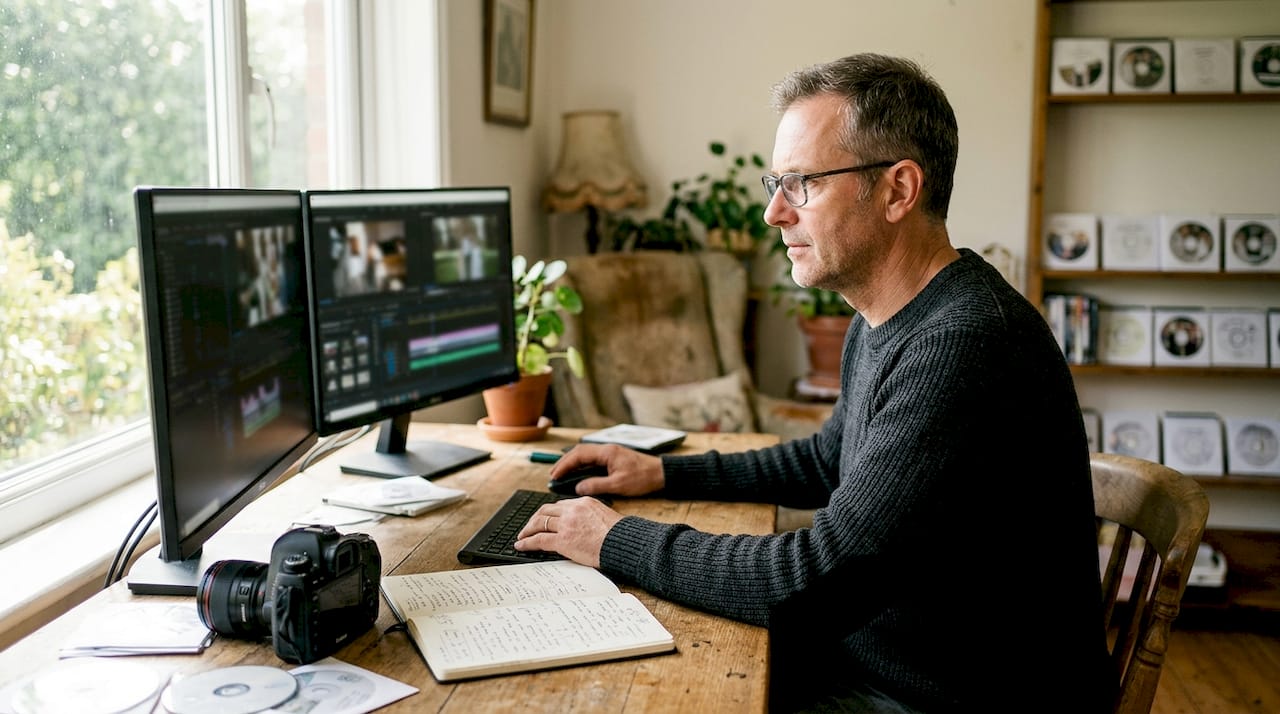
The industry term for the most popular format today is the hybrid wedding film. It combines observational documentary filming with cinematic post-production editing. Ataviaweddings has refined this approach across more than 1,600 weddings over 16 years, producing films that feel both honest and emotionally compelling.
2. What is a cinematic wedding film?
A cinematic wedding film functions like a short movie about your relationship and your day. The videographer uses techniques borrowed from narrative filmmaking: shallow depth of field, deliberate camera movement, color grading, and a carefully chosen soundtrack.
Key features of cinematic wedding films:
- Shorter final length, typically a 3–8 minute highlight reel
- Creative editing that builds toward emotional peaks
- Strong visual design with intentional lighting and composition
- Music-driven pacing that shapes the viewer's emotional experience
- Less emphasis on full ceremony or speech coverage
Pros: Cinematic films are visually polished and easy to share with friends and family. They are emotionally engaging and work well on social media or as a keepsake you will actually rewatch. Cons: They often require some direction from the videographer, such as guiding how you walk or where you stand. Full vows, speeches, and cultural rituals may receive less coverage.
Pro Tip: Ask your videographer to show you a full-length cinematic film, not just a highlight reel. Full-length films reveal a videographer's true storytelling ability and consistency throughout the event.
3. What is a documentary wedding film?
A documentary wedding film is defined by its commitment to capturing events exactly as they happen. The videographer stays observational, avoids directing moments, and lets the day speak for itself.
Key features of documentary wedding films:
- Full chronological coverage from getting ready through the reception
- Complete vows, speeches, and cultural rituals recorded in their entirety
- Natural ambient sound preserved throughout
- Longer final length, often 60–90 minutes or more
- Minimal intrusion from the filming crew
Pros: Documentary films provide a comprehensive, authentic record. You will hear every word of your vows and every toast exactly as it was spoken. Cons: The final product can feel less polished visually and may require more time to watch in full.
Audio quality is the single most important technical factor in documentary filmmaking. Clean recordings of vows and speeches matter more for long-term satisfaction than visual style alone. Many couples regret not specifying audio requirements in their contract until it is too late.
Pro Tip: Request that your videographer use a dedicated lapel microphone on the officiant and a backup recorder at the altar. Good audio planning in the contract protects the moments you will care about most in 20 years.
4. Five key differences between cinematic and documentary wedding films
Understanding the practical distinctions helps you ask the right questions when meeting videographers.
| Category | Cinematic style | Documentary style |
|---|---|---|
| Filming approach | Directed, with guided positioning | Observational, minimal direction |
| Editing style | Story-driven, non-chronological | Chronological, event-faithful |
| Coverage | Highlight reel, key emotional moments | Full ceremony, speeches, rituals |
| Audio treatment | Mixed music and sound design | Natural audio preserved throughout |
| Wedding day feel | More interaction with videographer | Unobtrusive, background presence |
The filming approach difference is the one couples feel most on the day itself. Cinematic videography often requires active direction, such as guiding your walk or positioning you for a shot. Documentary videography stays in the background. Neither is better in absolute terms. The right choice depends on your comfort level and your priorities for the final film.
5. How each style affects your wedding day experience
Your choice of film style shapes how your wedding day actually feels, not just how the final video looks. Cinematic filming involves more collaboration with your videographer. You may be asked to recreate a first look, walk a path again, or pause for a specific shot. Some couples love this. Others find it distracting.
Documentary filming keeps the crew invisible. The videographer moves through your day without interrupting it. This works especially well for couples who want to stay present and not think about the camera. It also suits weddings with tight timelines or complex cultural ceremonies where interruptions would be inappropriate.
Practical implications for your day:
- Cinematic style: budget 15–30 extra minutes for directed portrait sessions and creative shots
- Documentary style: brief timeline buffers before vows and speeches allow the crew to place microphones quietly without disrupting the flow
- Both styles benefit from sharing your ceremony order with the videographer in advance
- Couples who are camera-shy often feel more comfortable with documentary filming
Planning quiet buffers in your timeline is one of the most overlooked steps in wedding video planning. A five-minute pause before the ceremony starts gives the crew time to test audio levels and position equipment without anyone noticing.
6. Situational recommendations: which style fits your priorities?
The right film style depends on what you want to do with your video in the future. Couples should consider whether they want a full accurate record or an emotional highlight that evokes the feeling of the day.
Choose documentary style if you:
- Want every word of your vows and toasts preserved in full
- Have cultural or religious rituals that must be documented completely
- Prefer a natural, unscripted record over a polished production
- Plan to share the film with family members who could not attend
Choose cinematic style if you:
- Want a short, visually stunning film you will rewatch and share often
- Value emotional impact and artistic presentation over completeness
- Are comfortable with some direction and staging during the day
- Plan to post highlights on social media or use the film as a keepsake
Choose a hybrid film if you want both. The hybrid approach delivers a cinematic highlight reel alongside a full documentary edit. You get the emotional summary and the complete record. This is the format Ataviaweddings recommends for most couples, and it reflects the direction the wedding film industry has moved in 2026.
Pro Tip: When reviewing videographer portfolios, watch a full-length wedding film from start to finish, not just the highlight reel. Highlight reels can be misleading about a videographer's overall skill and consistency.
7. The hybrid model: documentary filming with cinematic editing
The most effective wedding films use documentary-style filming on the day, then apply cinematic editing in post-production. This approach, recognized across the industry, produces the most authentic and emotionally engaging films because it captures real moments without staging them, then shapes those moments into a compelling story.
The filming phase stays observational. The videographer documents your day as it happens, capturing genuine reactions, spontaneous laughter, and unguarded emotion. The editing phase is where the cinematic craft comes in. The editor selects the strongest moments, builds a narrative arc, and layers music and sound design to create emotional resonance.
This workflow, explained in detail in Ataviaweddings' cinematic editing guide, is what separates a truly memorable wedding film from a simple recording. The result feels real because it is real. It also feels beautiful because skilled editing makes it so.
Key takeaways
The best wedding film for most couples is a hybrid that combines documentary filming with cinematic editing, preserving both authentic moments and emotional storytelling in one complete package.
| Point | Details |
|---|---|
| Cinematic films prioritize emotion | Stylized editing and music create a polished highlight reel, typically 3–8 minutes long. |
| Documentary films prioritize completeness | Full vows, speeches, and rituals are captured chronologically with natural audio. |
| Audio quality determines satisfaction | Clean lapel microphone recordings of vows and speeches matter more than visual style alone. |
| Hybrid films suit most couples | Documentary filming combined with cinematic editing delivers both authenticity and emotional impact. |
| Watch full films before booking | Full-length samples reveal a videographer's true skill; highlight reels alone can mislead. |
What 16 years of wedding films taught me about choosing a style
The biggest misconception I see couples carry into their first videographer meeting is that they must choose between cinematic and documentary. They treat it as an either/or decision, when the most honest and compelling films I have made combine both approaches.
Documentary filming protects the moments you cannot recreate. The look on your partner's face when you appear at the end of the aisle. The pause before your officiant speaks. The spontaneous laugh during a toast. No amount of direction produces those moments. You have to be there, quietly, with a camera rolling.
Cinematic editing is what makes those moments last. Raw documentary footage can feel flat without thoughtful pacing, music, and structure. The editing is where the story takes shape. I have seen couples cry watching their own wedding film because the editing revealed an emotional thread they did not notice living through the day.
What couples most often overlook is audio. Years later, you will not care whether a shot was perfectly composed. You will care whether you can hear your vows. Specify audio requirements in your contract. Ask your videographer how they handle backup recording. Read about storytelling through film before your first meeting so you can communicate your vision clearly.
The couples who are happiest with their films are the ones who trusted the process, stayed present on their wedding day, and let the videographer work quietly in the background.
— Atavia
Ataviaweddings: expert wedding films in both styles
Choosing between cinematic and documentary wedding videography is one of the most personal decisions you will make in your wedding planning. Ataviaweddings brings over 16 years of experience and more than 1,600 weddings to that decision, offering packages that blend cinematic storytelling with full documentary coverage.
Every Ataviaweddings package is built around your priorities. Whether you want a short, emotionally powerful highlight reel, a complete documentary record of your ceremony and reception, or a hybrid film that delivers both, the team works with you to match the approach to your day. With 100% positive client feedback and a commitment to authentic storytelling, Ataviaweddings turns real moments into films worth rewatching. Explore wedding film packages and find the right fit for your wedding.
FAQ
What is the main difference between cinematic and documentary wedding films?
Cinematic wedding films use stylized editing, music, and composition to create an emotional narrative, while documentary films capture the day chronologically with natural sound and minimal direction. The key difference is storytelling intent versus faithful recording.
Which wedding film style is better for preserving vows and speeches?
Documentary style is better for preserving vows and speeches in full, since it prioritizes complete, natural audio coverage. Clean lapel microphone recordings of these moments matter more for long-term satisfaction than visual style.
How long are cinematic vs documentary wedding films?
Cinematic highlight reels typically run 3–8 minutes. Documentary wedding films are much longer, often covering 60–90 minutes or more of the full event from start to finish.
What is a hybrid wedding film?
A hybrid wedding film combines documentary-style filming on the wedding day with cinematic editing in post-production. It delivers both a polished highlight reel and a complete record of the ceremony and speeches.
How do I choose the right videographer for my wedding film style?
Watch full-length wedding films from any videographer you consider, not just highlight reels. Full films reveal editing consistency and storytelling skill across an entire event, which highlight reels alone cannot show.
Recommended
Planning your wedding?
Atavia films and photographs weddings nationwide — local teams, no travel fees, and a $500 deposit reserves your date.
Reserve Your Date