The Role of Second Photographer Weddings: Full Guide
Discover the vital role of second photographer weddings. Enhance your wedding photography with richer, more complete stories captured by two professionals.
July 6, 2026
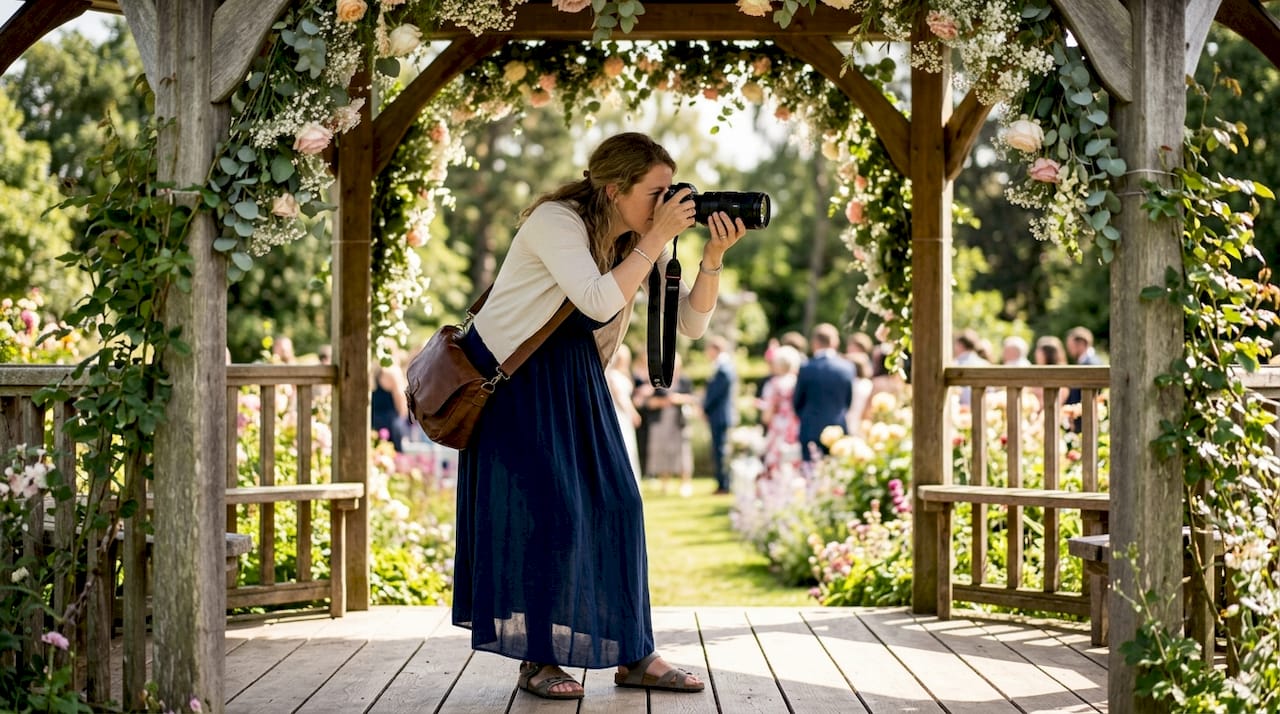
A second photographer at a wedding is a fully equipped professional whose job is to capture moments the lead photographer physically cannot. The role of second photographer in weddings is defined by independent skill, independent gear, and an independent creative eye. Second shooters bring their own camera bodies, lenses, and insurance, operating as a true professional partner rather than an assistant. Ataviaweddings has documented this dynamic across more than 1,600 weddings: two photographers working in sync produce a richer, more complete story than one photographer working alone ever can.
What does a second photographer do at a wedding?
The second shooter's core job is to be in two places at once. While the lead photographer focuses on the bride walking down the aisle, the second photographer captures the groom's face in that exact moment. Most professional wedding galleries require two photographers to deliver full storytelling coverage. That split-second reaction from the groom is gone forever if no one is positioned to catch it.
The second photographer's responsibilities break down into four clear areas:
- Simultaneous coverage. The lead shoots the ceremony from the front. The second shooter works the sides and rear, capturing guest reactions, parent tears, and candid exchanges that the lead cannot see from their position.
- Alternate angles. Two cameras at different focal lengths produce visual variety. Wide establishing shots and tight emotional close-ups happen at the same time, not as a trade-off.
- Candid guest moments. The second shooter moves freely through the reception, catching the flower girl falling asleep on a chair, the best man's laugh during the toast, and the grandmother wiping her eyes during the first dance.
- Technical support. During receptions, second shooters manage complex lighting setups so the lead photographer can focus entirely on creative composition.
Pro Tip: Ask any photographer you interview whether their second shooter carries their own backup camera body. A true second shooter does. An assistant typically does not.
The second shooter also handles workflow logistics. They track the timeline, flag moments the lead may have missed, and communicate quietly during the event. This coordination keeps the entire photography team moving without disrupting the ceremony.
How does a second photographer deepen your wedding story?
A wedding album built by one photographer tells a single narrative thread. A wedding album built by two photographers tells a complete story with subplots. The lead covers the main plot; the second captures the subplots that give the album its emotional texture and personality.
Think of it this way: the lead photographer is the director, focused on the central scene. The second photographer is the documentary filmmaker in the same room, catching the unscripted human moments happening at the edges. Those edge moments are often what couples say they treasure most when they look back at their photos years later.
"Second photographers are described by professionals as a 'secret weapon' for capturing emotional storytelling that adds tremendous depth to a wedding album. The emotional side notes that a lead photographer misses become the moments couples return to again and again."
The specific emotional moments a second shooter captures include:
- A parent's face the moment they see their child at the altar
- Bridesmaids holding hands during the vows
- A child guest falling asleep in a pew
- The couple's first private glance after the ceremony ends
- Friends laughing during a speech before the punchline lands
These moments are not staged. They cannot be recreated. Emotional wedding photography depends on a photographer being in the right place at the right time, and one photographer cannot be in every right place simultaneously.
The impact on the final album is measurable in a practical sense. Couples who work with two-photographer teams consistently report that their galleries feel more alive and complete. The storytelling depth shifts from documentation to a genuine narrative of the day as it actually unfolded.
When should couples hire a second photographer?
Not every wedding requires a second shooter, but certain situations make the decision straightforward. Large weddings, multi-location ceremonies, and events with complex schedules benefit most from two-photographer coverage. The more moving parts your wedding has, the more coverage gaps a single photographer creates.
Here are the clearest situations where a second photographer adds real value:
- Guest count over 100. More guests means more candid moments happening simultaneously. One photographer cannot cover a room of 150 people the way two can.
- Separate getting-ready locations. If the bride and groom are preparing in different venues, a second shooter captures both simultaneously instead of choosing one.
- Multi-venue ceremonies. A church ceremony followed by a reception at a separate estate creates a coverage gap during travel. The second shooter fills it.
- Culturally rich or multi-part ceremonies. Weddings with multiple rituals, outfit changes, or traditional elements need two sets of eyes to document everything.
- High priority on candid coverage. If you care as much about guest reactions as you do about posed portraits, a second shooter is the only way to get both.
Pro Tip: When budgeting, think of the second photographer as photography investment value rather than an add-on cost. You cannot go back and reshoot your wedding day.
One common misconception is that a second photographer is simply backup in case the lead's equipment fails. That framing undersells the role entirely. Second shooters act as an independent professional eye focused on genuine storytelling, not on equipment redundancy. Equipment backup is a side benefit, not the purpose.
How do lead and second photographers coordinate on the day?
Two photographers working in the same space without a plan create chaos. Two photographers working from a shared plan create coverage that feels effortless. The coordination between lead and second shooters follows professional standards that keep the workflow smooth and the ceremony undisturbed.
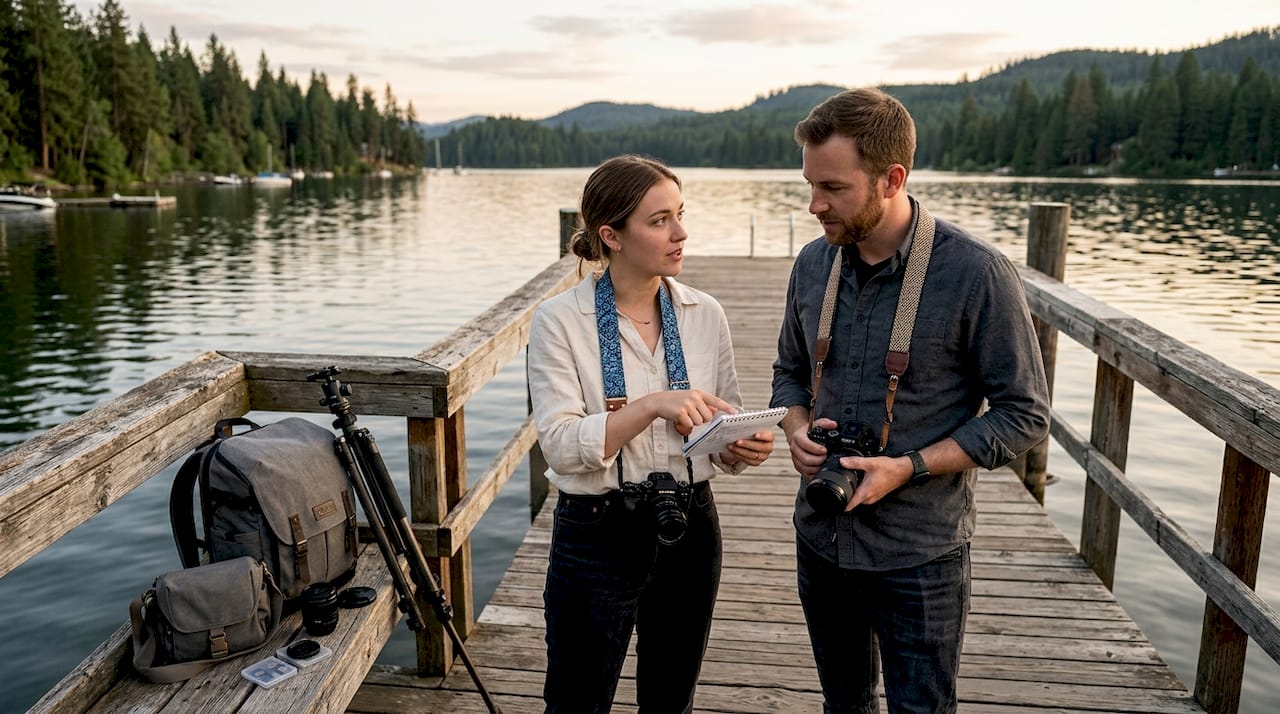
Discreet communication methods are the foundation of that coordination. Pre-arranged hand signals, earpieces, and mutual positional awareness keep both photographers aligned without a word being spoken during the ceremony. This is standard professional practice, not a workaround.
| Coordination element | How it works in practice |
|---|---|
| Pre-wedding briefing | Lead and second review the full timeline, venue layout, and shot priorities before the day begins |
| Positional assignments | Each photographer claims a zone so they never block each other's frame |
| Discreet signals | Hand signals or earpieces replace verbal communication during the ceremony |
| Role fluidity | The second shifts between shooting and technical support as the day's needs change |
| Post-day file handoff | Second shooter delivers all raw files to the lead for unified editing and delivery |
The wedding day timeline that a professional team follows is built around these coordination points. Every transition in the day, from ceremony to cocktail hour to reception, has a clear coverage plan so neither photographer is guessing where to be.
Role fluidity is one of the most underappreciated aspects of this dynamic. The second shooter's role pivots throughout the day between capturing candid moments and assisting with technical elements like reception lighting. This flexibility is what separates a skilled second shooter from a photographer simply following the lead around the room.
Key Takeaways
A second photographer transforms wedding coverage from a single perspective into a complete, multi-layered story that captures the moments, emotions, and subplots no one photographer can document alone.
| Point | Details |
|---|---|
| Independent professional role | A second shooter brings their own gear, insurance, and creative skill, not just extra hands. |
| Simultaneous coverage | Two photographers capture the groom's reaction and the bride's entrance at the exact same moment. |
| Emotional storytelling depth | Second shooters document candid guest moments and emotional side notes that define the full wedding story. |
| Best fit situations | Large guest counts, multi-location weddings, and complex ceremonies benefit most from two-photographer teams. |
| Coordinated workflow | Pre-arranged signals and positional assignments keep both photographers aligned without disrupting the event. |
Why I think couples underestimate the second shooter every time
After working across more than 1,600 weddings, I have watched couples make the same calculation repeatedly. They see the second photographer as a line item to cut when the budget gets tight. Then they get their gallery back and spend the next decade wishing someone had been positioned to catch the moment their father saw them for the first time in their dress.
The moments that hit hardest in a wedding album are almost never the posed portraits. They are the unscripted ones. The flower girl whispering something to the ring bearer. The groom's best friend losing it during the vows. Those moments happen once, in a fraction of a second, and they require someone whose only job is to watch for them.
What I have also seen is that couples who invest in a two-photographer team consistently describe their galleries as feeling "alive" in a way that single-photographer galleries do not. That is not a coincidence. It is the direct result of having two independent creative perspectives working the same event simultaneously.
My honest recommendation: if your guest list exceeds 80 people or your ceremony involves more than one location, a second photographer is not optional. The coverage gap you create by going without one is real, and you will feel it every time you flip through your album.
— Atavia
How Ataviaweddings approaches two-photographer coverage
Ataviaweddings has built its reputation over 16 years on the belief that every wedding deserves a complete visual story, not just a highlight reel.

With over 1,600 weddings documented and 100% positive client feedback, Ataviaweddings coordinates photography teams that include second shooter coverage as part of a thoughtful, pre-planned approach to your day. Every package is built around genuine emotion and authentic storytelling, not posed moments alone. Couples can explore photography and videography packages that include coordinated two-photographer coverage, ensuring no moment from your wedding day goes undocumented. The team handles all coordination, briefing, and workflow so you never have to think about it on the day itself.
FAQ
What is the role of a second photographer at a wedding?
A second photographer captures moments the lead photographer cannot attend simultaneously, including candid guest reactions, alternate angles, and simultaneous events at different locations. Their role is independent and creative, not just supportive.
Is a second shooter the same as a photography assistant?
No. A second shooter is a skilled professional with their own camera bodies, lenses, and insurance. An assistant typically handles equipment and logistics but does not shoot independently.
When does a wedding need a second photographer?
Weddings with more than 100 guests, multiple locations, or complex multi-part ceremonies benefit most from a second shooter. Any event where simultaneous coverage is needed justifies the addition.
How do two photographers avoid getting in each other's way?
Lead and second photographers use pre-arranged positional assignments, hand signals, and earpieces to coordinate without speaking during the ceremony. This professional standard keeps both photographers aligned and unobtrusive.
Does a second photographer cost significantly more?
The cost varies by photographer and package structure, but the value is in coverage that cannot be recreated. Missing a key emotional moment costs far more than the addition of a second professional on the day.
Recommended
Planning your wedding?
Atavia films and photographs weddings nationwide — local teams, no travel fees, and a $500 deposit reserves your date.
Reserve Your Date