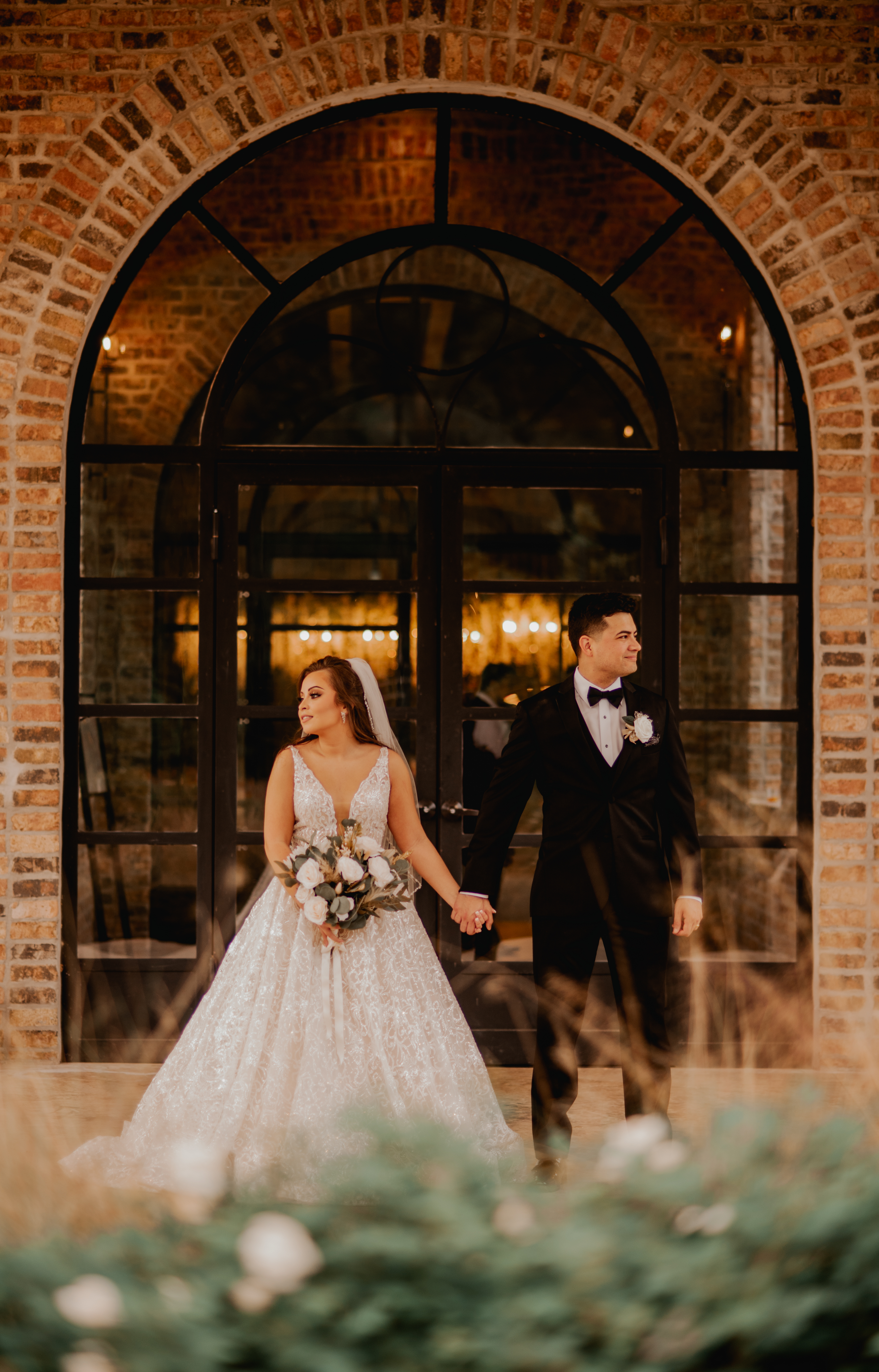
Wedding Morning Photography Checklist for Couples
Capture every moment of your special day with our comprehensive wedding morning photography checklist. Ensure no memory goes unmissed!
July 11, 2026
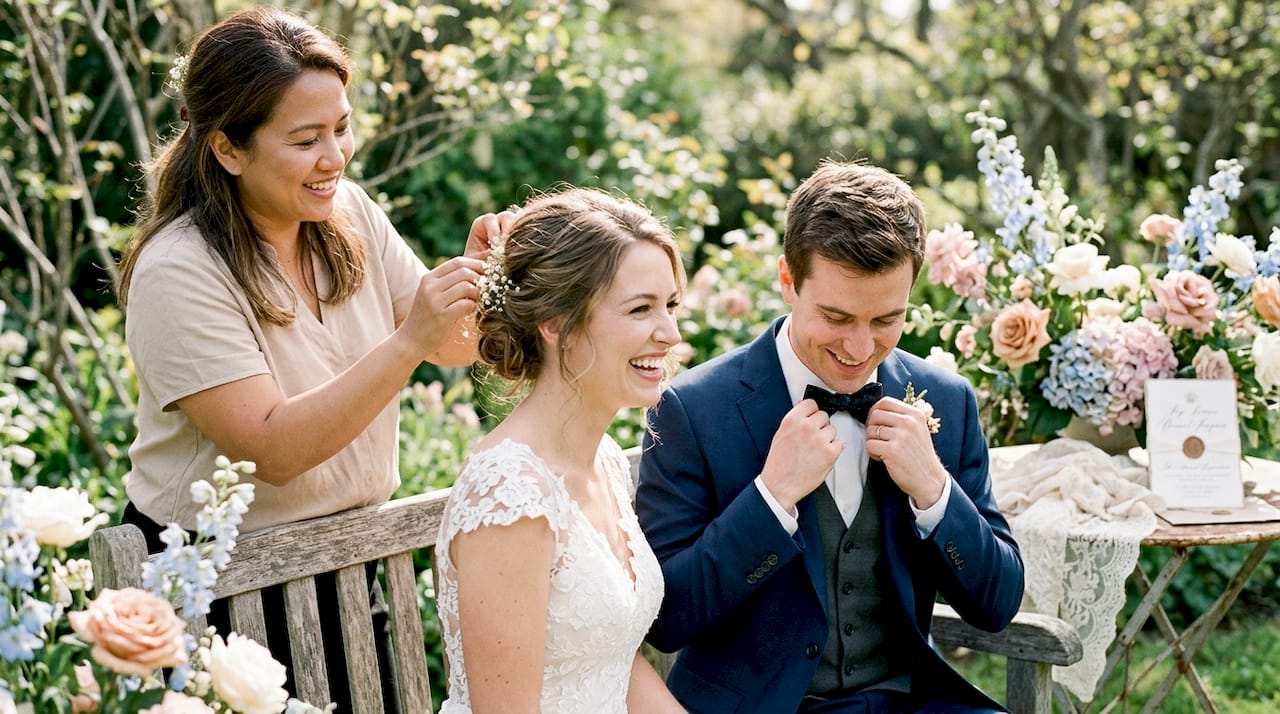
A wedding morning photography checklist is a curated list of essential shots and preparation steps that helps couples and photographers capture genuine, meaningful moments before the ceremony begins. The morning before your ceremony is the most emotionally rich part of your entire wedding day. It is also the most chaotic if left unplanned. A structured checklist, built around the documentary photography approach, protects both the candid magic and the must-have portraits that you will treasure for decades. Ataviaweddings, with over 16 years of experience across more than 1,600 weddings, builds every morning session around this exact principle.
What are the essential shots on your wedding morning photography checklist?
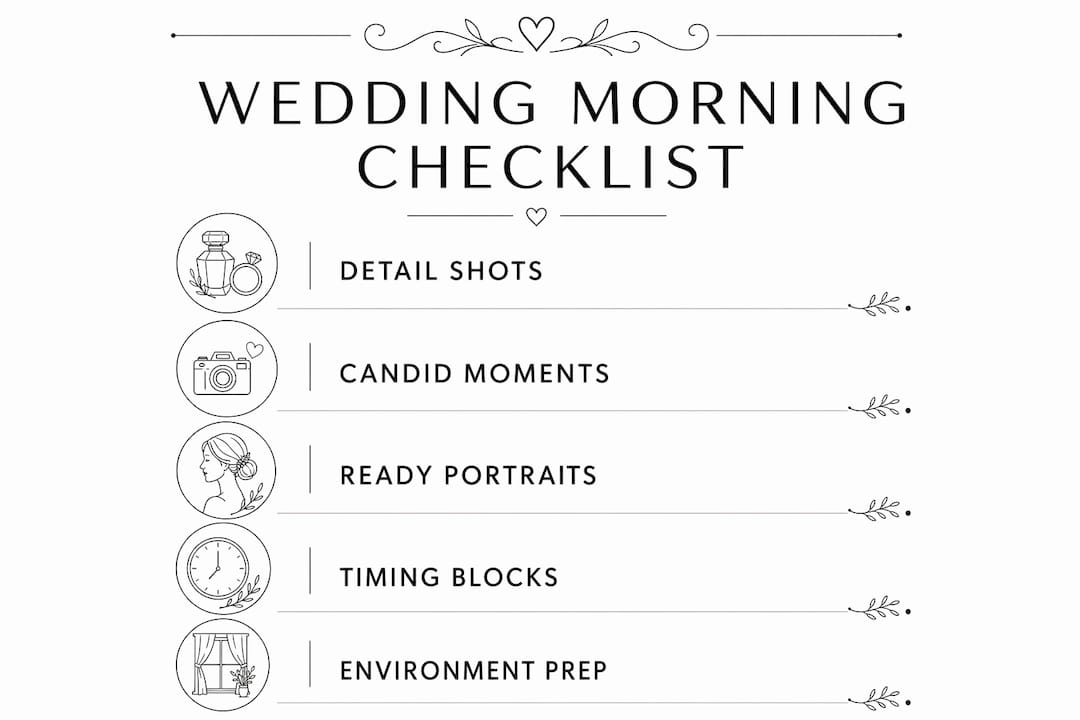
The most important shots fall into three categories: detail shots, candid moments, and ready portraits. Skipping any one of these categories creates gaps in your wedding story that no amount of editing can fix.
Detail shots
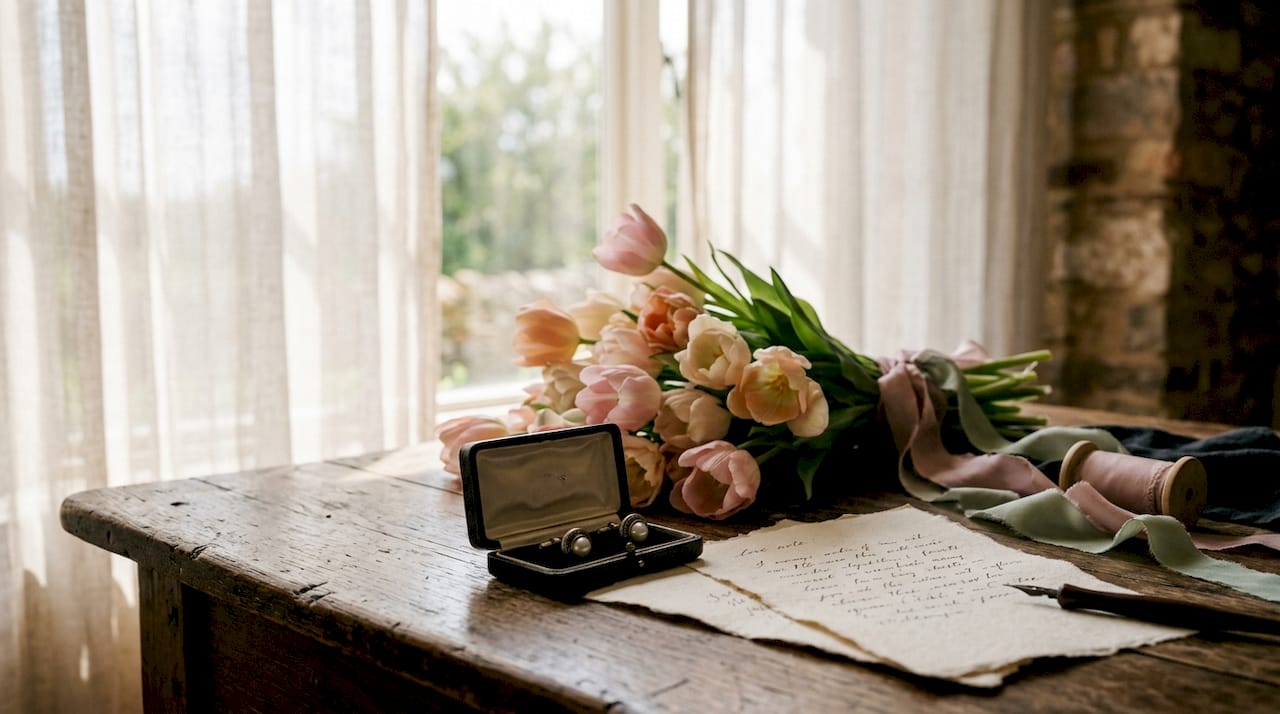
Your detail shots set the visual tone for the entire album. These include your dress hanging in good light, styled shoes with accessories, rings and veil close-ups, your invitation suite, and any heirlooms you are carrying. Standard photography coverage for these items runs 45–90 minutes depending on the number of pieces involved. Lay everything out before your photographer arrives so no time is wasted hunting for a missing earring or a misplaced bouquet.
- Dress or suit displayed near a window
- Shoes styled with accessories or florals
- Rings, veil, and headpiece close-ups
- Invitation suite with envelope and wax seal
- Heirlooms: grandmother's brooch, a locket, a handwritten note
Candid moments
Candid shots during hair and makeup are where the real emotion lives. The laugh when your maid of honor spills coffee, the quiet moment your mother adjusts your veil, the finishing touch of lipstick. These are the images couples consistently say they love most. Couples often miss reaction shots from parents or important family members, so add these explicitly to your checklist. A parent seeing you fully dressed for the first time is one of the most emotionally powerful frames of the entire day.
- Hair and makeup process, mid-session, and finished look
- Finishing touches: perfume, jewelry, veil placement
- Candid interactions with bridesmaids or groomsmen
- Parent or family member first-look reactions
- Quiet solo moments of reflection before the ceremony
Ready portraits
Solo portraits before the ceremony give you images that are calm, composed, and fully lit. These are the frames that end up enlarged on walls. Schedule them as the final block of your morning session, after all the chaos of getting dressed has settled.
Pro Tip: Ask your photographer to capture a few frames of you looking out a window or adjusting a small detail. These quiet, unposed shots consistently outperform formal portraits in emotional resonance.
How to plan timing and schedule for your wedding morning photography
Timing is the single most common reason morning photography falls short. Three photography blocks structure the morning effectively: details and room reset, finishing touches and real interactions, and ready portraits.
The three-block structure
Wedding morning coverage works best when planned in three blocks. Block one covers detail shots while hair and makeup are underway. Block two captures the finishing touches and candid interactions as the energy builds. Block three is reserved for portraits once you are fully dressed.
- Details and room reset (15–25 minutes): Photographer shoots all detail items while the room is still tidy. This is the first thing that happens after arrival.
- Finishing touches and interactions (20–35 minutes): Hair and makeup wrap up, family members arrive, and candid moments unfold naturally.
- Ready portraits (15–30 minutes): Solo portraits, then small group shots with the wedding party.
Timing benchmarks
| Coverage level | Total time | Best for |
|---|---|---|
| Tight | 25–35 min | Small parties, minimal details |
| Standard | 45–60 min | Most weddings |
| Ideal | 75–90 min | Large parties, multiple locations |
Photographer arrival 60–90 minutes before the dress goes on gives the team enough time for calm detail shots and candid moments without rushing. If your dress goes on at 2:00 PM, your photographer should arrive by 12:30 PM. That buffer absorbs delays from late arrivals, wardrobe malfunctions, or a flower girl who refuses to cooperate.
Pro Tip: Build a 20-minute buffer before you leave for the ceremony. That window saves you from skipping portraits when hair runs long.
For a deeper look at how timing affects every phase of your day, the role of timing in wedding shots is worth reading before you finalize your schedule.
How to prepare your getting-ready environment for better photos
The room where you get ready directly affects photo quality. A cluttered, poorly lit space limits what even the best photographer can do.
Lighting setup
Morning window lighting quality is the single most important factor for flattering and consistent detail shots. North or east-facing windows produce soft, even light that works all morning without harsh shadows. Turn off all overhead lights before your photographer arrives. Overhead fluorescents cast a greenish tint that makes skin tones look flat and requires significant correction in post-processing.
Creating a clean zone
The most efficient approach is to build a single clean zone near the best window in the room. Keep all detail shots and portraits within this space to reduce setup time between shots. Clear out bags, food containers, and extra chairs before the photographer walks in. A tidy space is not about perfection. It is about giving the camera a clean background so your details and your face are the focus.
- Choose the room with the largest north or east-facing window
- Remove clutter from surfaces and floors before the photographer arrives
- Avoid overcrowding small rooms; a 5–6 foot space around the subject produces better images
- Use white linens, raw wood, or marble tile as neutral backgrounds for flat lays
- Arrange detail items in groups of three or five for natural visual balance
Technical context for couples
Detail shots look best near large windows with soft natural light. Your photographer will typically shoot flat lays at f/4–f/8 for depth of field and keep ISO at 100–400 for clean, low-noise images. You do not need to manage these settings. You do need to give your photographer the light and space to use them well.
Pro Tip: Collect all your detail items, rings, shoes, invitation, heirlooms, into a single box or bag before your photographer arrives. Presenting items together can save 10–15 minutes of shooting time, protecting the candid coverage for the rest of your morning.
How to collaborate with your photographer for authentic morning photos
The best wedding morning photos come from a partnership, not a production. Your checklist is a guide, not a script.
Share the checklist as a flexible tool
Sharing a shot list works best as a collaborative tool rather than a strict minute-by-minute schedule. Send your photographer the list two weeks before the wedding. Walk through it together on a call. Ask which shots they feel confident capturing without direction and which ones need your input. That conversation alone eliminates most morning miscommunications.
Prioritizing story beats over an exhaustive checklist avoids turning your wedding morning into a production set. A story beat is a moment with emotional weight: your mother seeing you dressed, your best friend helping with your veil, a quiet laugh before the chaos begins. These beats cannot be scheduled to the minute. They can only be protected by leaving space in your timeline.
Communication strategies that work
- Tell your photographer which family members must be included in getting-ready shots
- Flag any special moments you want captured, such as a letter reading or a gift exchange
- Let your photographer know if anyone in the party is camera-shy so they can work around it
- Agree on a signal for when you want candid coverage versus directed portraits
- Avoid over-scheduling; back-to-back posed shots kill the natural energy of the morning
Experienced photographers advise letting natural moments unfold to capture genuine smiles and expressions. The couples who get the most authentic images are the ones who trust their photographer to find the moments, not manufacture them. For more on this approach, the photojournalistic wedding style guide explains exactly how candid storytelling works in practice.
Key takeaways
A structured wedding morning photography checklist, built around three timed blocks and a clean, well-lit environment, produces the most authentic and complete coverage of your day.
| Point | Details |
|---|---|
| Three-block structure | Organize morning coverage into details, finishing touches, and ready portraits for complete storytelling. |
| Photographer arrival timing | Arrive 60–90 minutes before dress-on time to allow calm detail shots and candid moments. |
| Lighting and environment | Use north or east-facing windows, turn off overhead lights, and clear clutter before shooting begins. |
| Detail item preparation | Collect all detail items in one box before the photographer arrives to save 10–15 minutes of shooting time. |
| Checklist as a flexible guide | Share your shot list as a collaborative tool, not a rigid script, to preserve authentic emotional energy. |
What I have learned after 1,600 wedding mornings
After more than 16 years and over 1,600 weddings, the pattern is clear. The couples who get the most beautiful morning photos are not the ones with the longest checklists. They are the ones who prepare the environment, trust the photographer, and then let the morning breathe.
The biggest mistake I see is over-scheduling. Couples pack so many posed shots into the morning that there is no room left for the real moments. The laugh that happens between shots. The quiet second before the dress goes on. Those are the frames that end up on the wall. You cannot schedule them. You can only protect the time for them to happen.
My honest advice: build your checklist around the three blocks, prepare your detail items the night before, and pick a room with great window light. Then hand the checklist to your photographer and let them do what they do best. The most authentic images come from mornings where the couple forgot the camera was even there.
— Atavia
How Ataviaweddings supports your wedding morning photography
Planning a wedding morning session takes more than a checklist. It takes a photographer who knows how to read a room, protect the timeline, and find the genuine moments between the scheduled ones.

Ataviaweddings brings over 16 years of experience and a 100% positive client feedback record to every wedding morning session. Their approach combines structured planning with the flexibility to capture real emotion as it happens. Whether you need help building your shot list, structuring your timeline, or simply want a team that has seen every possible morning scenario, Ataviaweddings is ready to help. Visit Ataviaweddings to learn more about their photography and videography packages, or reach out directly to start planning your morning session.
FAQ
What should be on a wedding morning photography checklist?
A wedding morning photography checklist covers detail shots (dress, rings, shoes, heirlooms), candid moments during hair and makeup, family reaction shots, and solo ready portraits. Standard coverage runs 45–90 minutes depending on party size.
How early should my photographer arrive on the wedding morning?
Your photographer should arrive 60–90 minutes before you put on your dress. That window allows calm detail shots and candid moments without rushing the timeline.
How do I set up my room for the best getting-ready photos?
Choose a room with a large north or east-facing window, turn off all overhead lights, and clear clutter from surfaces and floors. A 5–6 foot open space around the subject produces noticeably better images.
Should I give my photographer a strict shot list?
Share your checklist as a flexible guide, not a rigid script. Documentary-style coverage works best when photographers follow story beats rather than a minute-by-minute schedule, which preserves authentic emotional energy.
What moments do couples most often miss during wedding morning photography?
Parent and family reaction shots are the most commonly missed moments. Add these explicitly to your checklist, especially the first time a parent sees you fully dressed, as these frames carry the most emotional weight in the final album.
Recommended
Planning your wedding?
Atavia films and photographs weddings nationwide — local teams, no travel fees, and a $500 deposit reserves your date.
Reserve Your Date