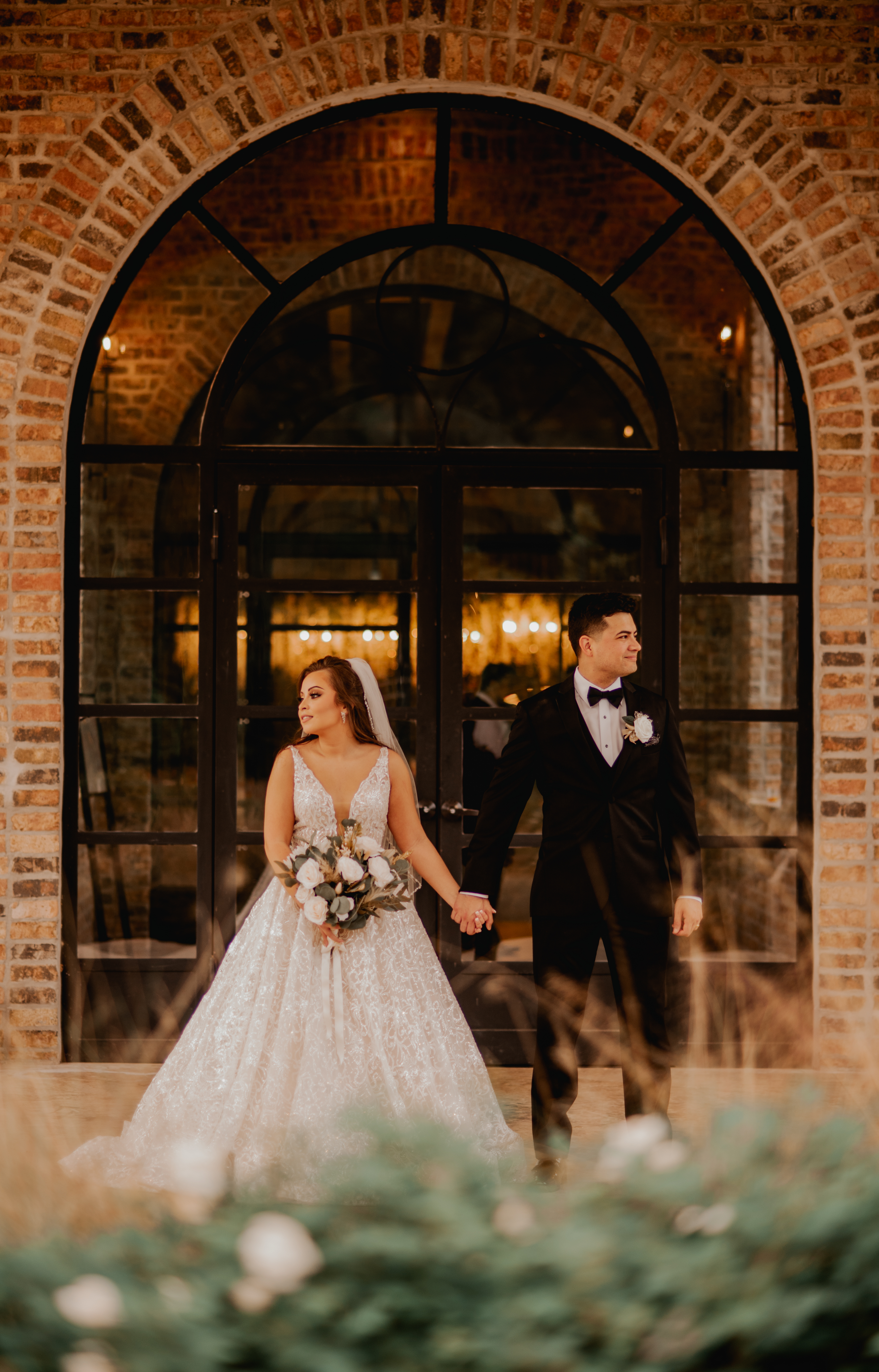
Wedding Photography Investment Benefits: A Couple's Guide
Discover the wedding photography investment benefits that ensure lasting memories. Capture your special day professionally for years to come.
July 1, 2026
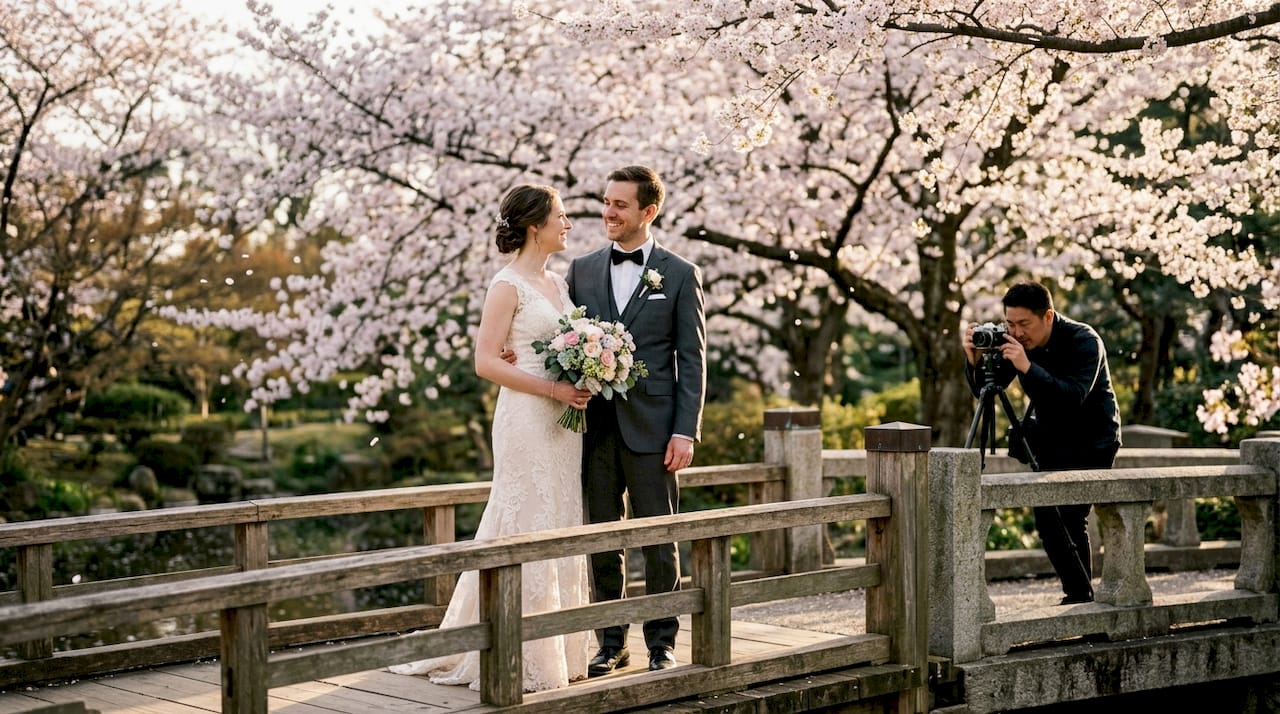
Wedding photography investment benefits are the lasting emotional, artistic, and financial returns couples gain by prioritizing professional photography for their wedding day. The industry standard recommends allocating 10–15% of your wedding budget to photography. That figure reflects a clear truth: your photos are the one wedding-day purchase that gets more valuable with every passing year, not less. Every other element fades, wilts, or gets eaten. Your images remain.
1. Why professional photography preserves memories better
Professional skill and equipment produce images that casual snapshots simply cannot match. A trained photographer reads light, anticipates movement, and positions themselves before a moment happens. Your uncle with a smartphone reacts after it does.
Professional expertise captures the fleeting emotional details that define a wedding: the tremble in a father's lip, the glance between partners before the first kiss, the spontaneous laughter during vows. These are the moments memory distorts over time. A sharp, well-composed image holds them exactly as they were.
Professional photographers also deliver images in both digital and print-ready formats. That dual delivery means your memories survive hard drive failures, platform shutdowns, and the general chaos of modern digital life. Physical prints and albums exist independently of any technology.
- Lighting mastery: Professionals use off-camera flash, natural light techniques, and lens selection to handle any venue condition.
- Backup equipment: Reputable photographers carry redundant camera bodies and memory cards. One failure does not cost you your wedding photos.
- Professional editing: Packages typically include hundreds of fully edited images, saving you weeks of post-processing time and guaranteeing visual consistency across every photo.
Pro Tip: Ask your photographer how many final edited images you will receive and in what formats. A strong package delivers both high-resolution digital files and print-optimized versions.
2. The emotional returns of investing in wedding photos
High-quality wedding photos do something that no other keepsake can: they return you to a specific feeling, not just a specific moment. Looking at a well-composed image of your ceremony triggers the same nervous anticipation, joy, and relief you felt standing there.
Visual clarity and artistry bring back the atmosphere of a room, the color of the light, and the expressions of people you love. Memory is imperfect and selective. A photograph corrects it. Couples often report that reviewing their wedding gallery fills in details they had completely forgotten by the time they returned from their honeymoon.
Professional images also serve as a visual storybook you share with people who were not there. Parents, siblings, and close friends experience the day through your photos in a way that a verbal description never achieves. That shared experience deepens the emotional weight of the images over time.
"Your wedding photos are not a record of what happened. They are a record of how it felt. That distinction is worth every dollar you invest in getting them right."
Understanding emotional wedding photography as a discipline, not just a style, helps couples choose a photographer whose instincts align with their own priorities.
3. Financial value and smart budgeting for photography
The typical range for full-day professional wedding photography in 2026 runs from $2,500 to $6,000, with the broader market spanning $1,000 to $15,000 depending on experience, location, and package scope. That spread matters because it shows you have real options at every budget level.
The 10–15% budget allocation rule gives you a practical anchor. On a $25,000 wedding, that means spending $2,500 to $3,750 on photography. On a $40,000 wedding, it means $4,000 to $6,000. The percentage holds regardless of total spend because the value of documentation scales with the size and complexity of the event.
| Coverage Duration | Best For | Value Per Hour |
|---|---|---|
| 4–5 hours | Intimate ceremonies, elopements | Moderate |
| 6–7 hours | Mid-size weddings, partial day | Good |
| 8+ hours | Full-day weddings, large events | Best |
Eight-hour coverage delivers the best value per hour and the most complete documentation of your day. It captures getting-ready moments, the ceremony, portraits, and the full reception, including the first dance and cake cutting.
- Ask about combo packages: Photography and videography bundles often cost less than booking each service separately.
- Prioritize deliverables: Confirm the number of edited images, turnaround time, and whether albums are included or priced separately.
- Check licensing: Confirm you receive full personal use rights to print and share your images without restriction.
Pro Tip: Couples who prioritize photography in their budgets consistently report higher satisfaction with their overall wedding memories. Trim the floral centerpieces before you trim the photographer.
4. How wedding photos build a lasting family legacy
Wedding photography is an heirloom investment. The images you create on your wedding day do not belong only to you. They belong to the family you are building and the generations that follow.
Albums and digital galleries become family archives in the same way that grandparents' black-and-white portraits do today. Your grandchildren will study your faces, your clothes, your venue, and the expressions of people they never met. That is not a sentimental abstraction. It is a documented fact of how family history works.
The legacy value of professional wedding photography builds through several specific channels:
- Printed albums as physical heirlooms: A well-made album survives decades of handling, moves, and storage. Digital files alone carry the risk of format obsolescence.
- Shared family storytelling: Photos give future generations a concrete visual anchor for the stories you tell about your wedding day.
- Preserved relationships: Images of grandparents, parents, and friends who may no longer be with you become irreplaceable records of who was present and how they looked that day.
- Tangible representation of your commitment: Your wedding photos document the promises you made and the joy surrounding them. That documentation carries weight that grows heavier, not lighter, with time.
Understanding wedding photo narrative as a structured approach helps couples think about their gallery as a coherent story rather than a collection of individual shots.
5. What to look for when choosing a wedding photographer
Choosing a wedding photographer is a financial and creative decision. The two cannot be separated. A low price from a photographer whose style does not match your vision produces expensive regret.
Review full wedding galleries, not just highlight images. Any photographer can produce ten stunning shots from a single wedding. A full gallery of 400 to 600 images reveals consistency, handling of difficult lighting, and the range of emotional moments captured. Consistency is the real measure of professional skill.
Investing in professional photography means treating the selection process with the same seriousness as the investment itself. Meet with photographers before booking. Discuss your timeline, your venue's lighting conditions, and your priorities for the day. A photographer who asks good questions before the wedding asks good questions on the wedding day too.
The storytelling approach to wedding photography is one framework worth understanding before you start interviewing photographers. It shifts the focus from posed portraits to narrative documentation, which produces galleries that feel alive rather than staged.
6. Why photography should be treated as a foundational expense
Couples should treat photography as a foundational line item, not a flexible one. The flowers are gone by midnight. The food is consumed. The venue is rented back to someone else the following weekend. The photographs are the only product from your wedding day that you will still use in 30 years.
This does not mean spending without limits. It means making photography cuts last, not first. If the budget tightens, reduce the number of floral arrangements, choose a simpler cake, or trim the guest list before reducing photography coverage. The hierarchy of regret runs clearly in one direction: couples rarely wish they had spent less on photography.
Key Takeaways
Professional wedding photography is a long-term investment that delivers emotional, financial, and legacy value far beyond the initial cost of the service.
| Point | Details |
|---|---|
| Budget 10–15% for photography | Industry guidance recommends this allocation regardless of total wedding spend. |
| Eight-hour coverage offers best value | Full-day coverage captures every key moment and delivers the lowest cost per hour. |
| Photos become family heirlooms | Albums and digital galleries serve as archives for future generations, not just personal keepsakes. |
| Prioritize photography over non-essentials | Trim other budget lines before reducing photography coverage to avoid long-term regret. |
| Choose based on full galleries | Review complete wedding galleries to assess consistency, not just highlight shots. |
What 16 years of weddings taught me about photography budgets
After photographing over 1,600 weddings across 16 years, the pattern I see most clearly is this: couples who underspend on photography almost always wish they had not. Couples who invest well almost never question it.
The regret is not abstract. It shows up in specific ways. A couple realizes their ceremony photos are blurry because the venue was dark and the photographer lacked the equipment to handle it. Another couple gets 80 images from a 10-hour day because their photographer did not have the stamina or skill to sustain quality throughout. These are not edge cases. They are common outcomes when price drives the decision.
What I tell every couple is simple: your wedding day is a single performance with no second take. The photography is the only record of it. Treat it accordingly. Every other vendor delivers something you experience once. Your photographer delivers something you experience for the rest of your life.
— Atavia
Ataviaweddings: where your investment becomes a lasting story
Ataviaweddings brings over 16 years of experience and more than 1,600 weddings to every booking. The focus is on genuine emotion and authentic storytelling, not posed formulas.
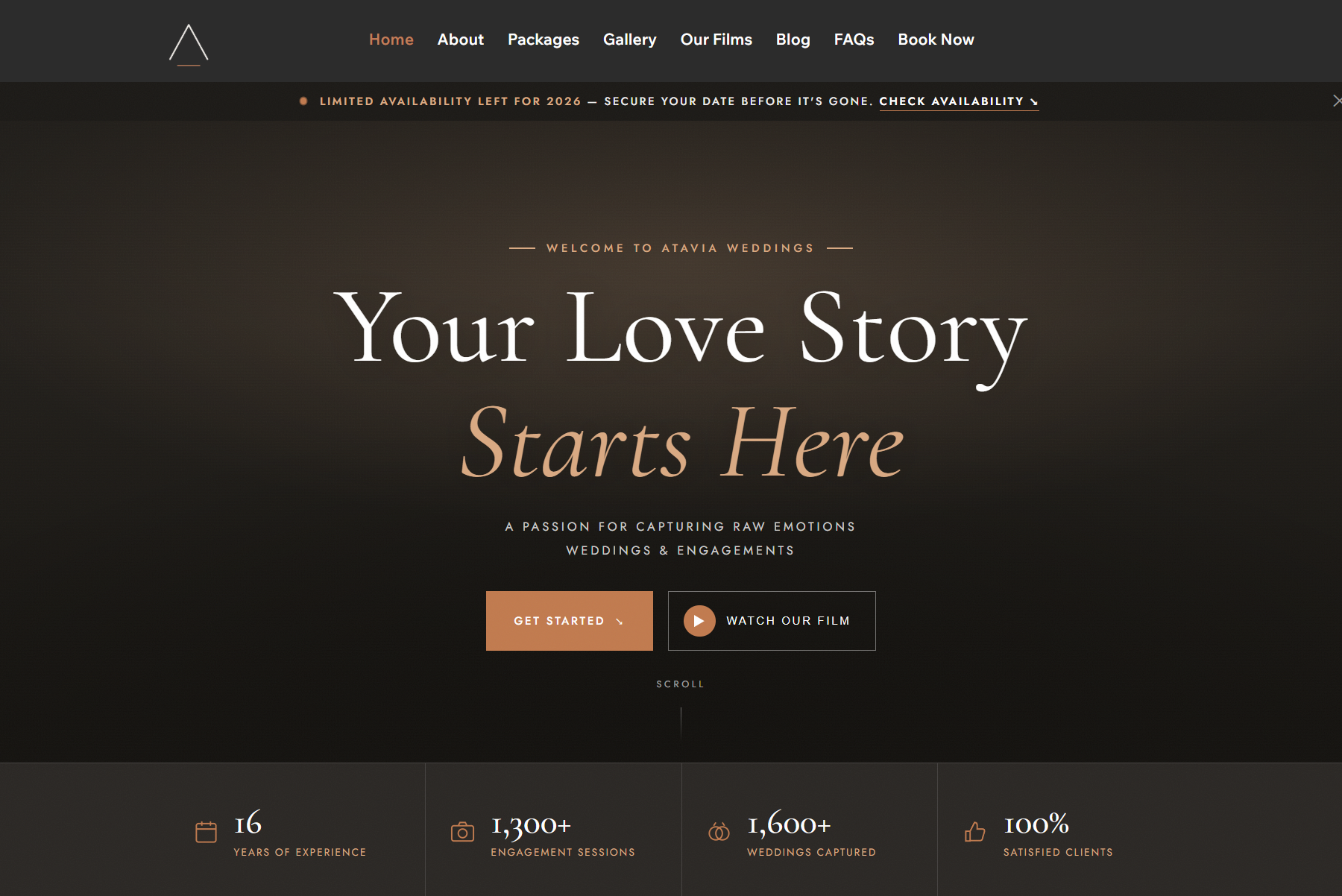
Every couple receives a gallery that reflects how their day actually felt, not just how it looked. Combo packages covering both photography and videography give you complete documentation at a single, transparent price. Ataviaweddings holds 100% positive client feedback because the work speaks clearly for itself. If you are ready to protect your wedding day memories with the quality they deserve, explore Ataviaweddings' wedding photography services and find the package that fits your day.
FAQ
How much should I budget for wedding photography?
The industry standard is 10–15% of your total wedding budget. Most couples spend between $2,500 and $6,000 for full-day professional coverage in 2026.
Is 8 hours of wedding photography coverage enough?
Eight hours is the most recommended coverage duration. It captures getting-ready moments through the reception and delivers the best value per hour of any package length.
Why is professional wedding photography worth the cost?
Professional photographers use expert lighting, backup equipment, and post-processing skills that casual photographers cannot replicate. The result is a consistent, high-quality gallery that preserves your memories accurately for decades.
What makes wedding photos a long-term investment?
Wedding photos grow more meaningful over time as albums and digital galleries become family archives. Future generations use them to connect with family history, making them one of the few wedding purchases that appreciates in value.
When should I book my wedding photographer?
Book your photographer as early as possible, ideally 12–18 months before your wedding date. Top photographers fill their calendars quickly, and early booking gives you the widest choice of experienced professionals.
Recommended
Planning your wedding?
Atavia films and photographs weddings nationwide — local teams, no travel fees, and a $500 deposit reserves your date.
Reserve Your Date