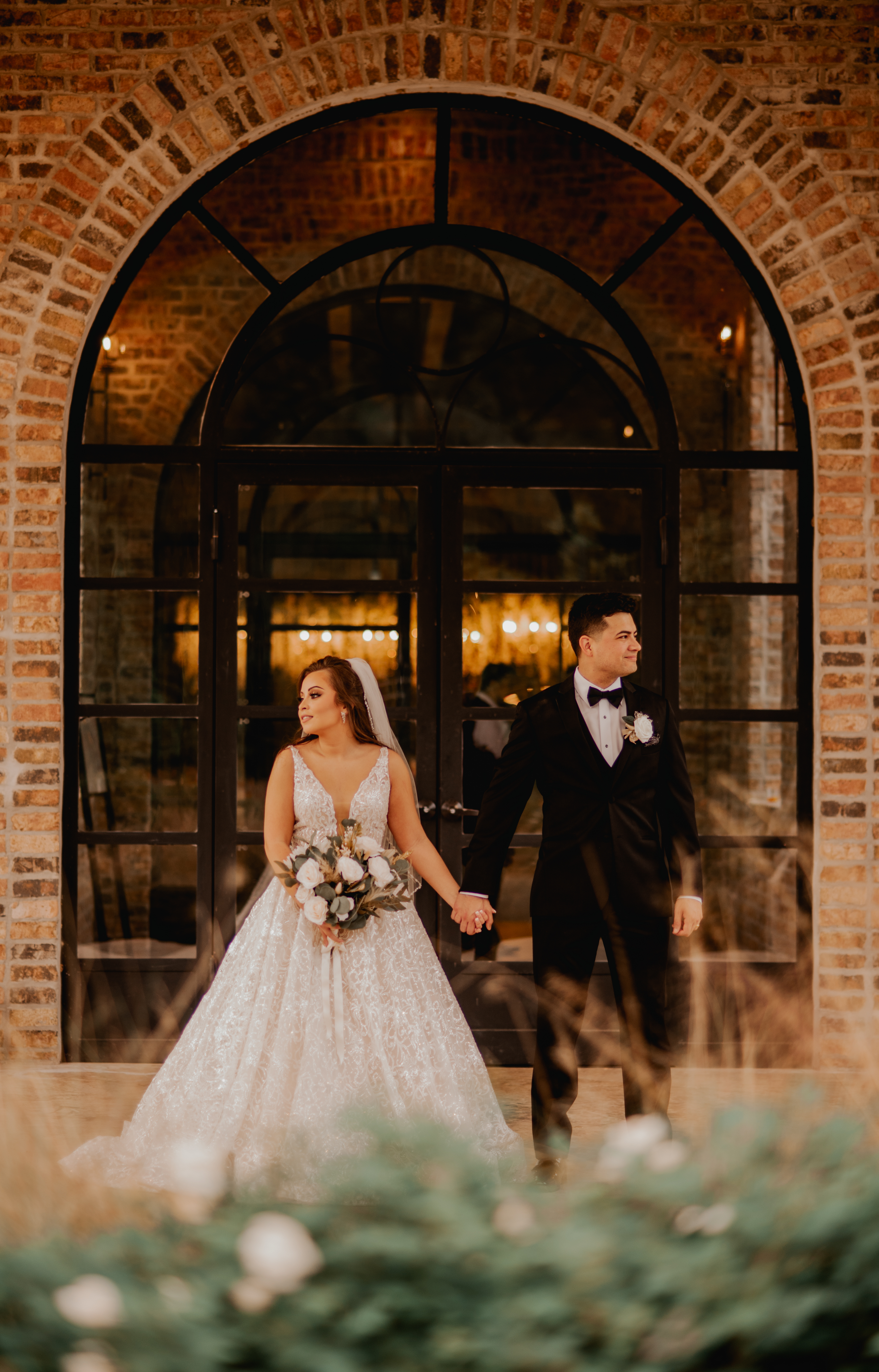
Wedding Story Arc Photography Guide for Couples
Explore our wedding story arc photography guide to craft a compelling narrative for your big day. Capture genuine emotions and moving moments.
July 12, 2026
Wedding story arc photography is the art of crafting a visual narrative that moves through genuine emotional moments, from the first nervous breath of getting ready to the final wave goodbye at the end of the night. Most couples think about wedding photos as a collection of beautiful images. The best photographers think about them as a film with a beginning, middle, and end. This guide explains how to build that narrative, what techniques make it work, and how you can collaborate with your photographer to get a gallery that tells your actual story, not just a posed highlight reel.
What essential elements create a compelling wedding photography narrative arc?
A wedding photo narrative arc is defined by emotional progression, not chronological order. Narratives must be curated with attention to pacing and emotional highs to maintain viewer engagement. Simply arranging photos by time of day produces a data dump, not a story.
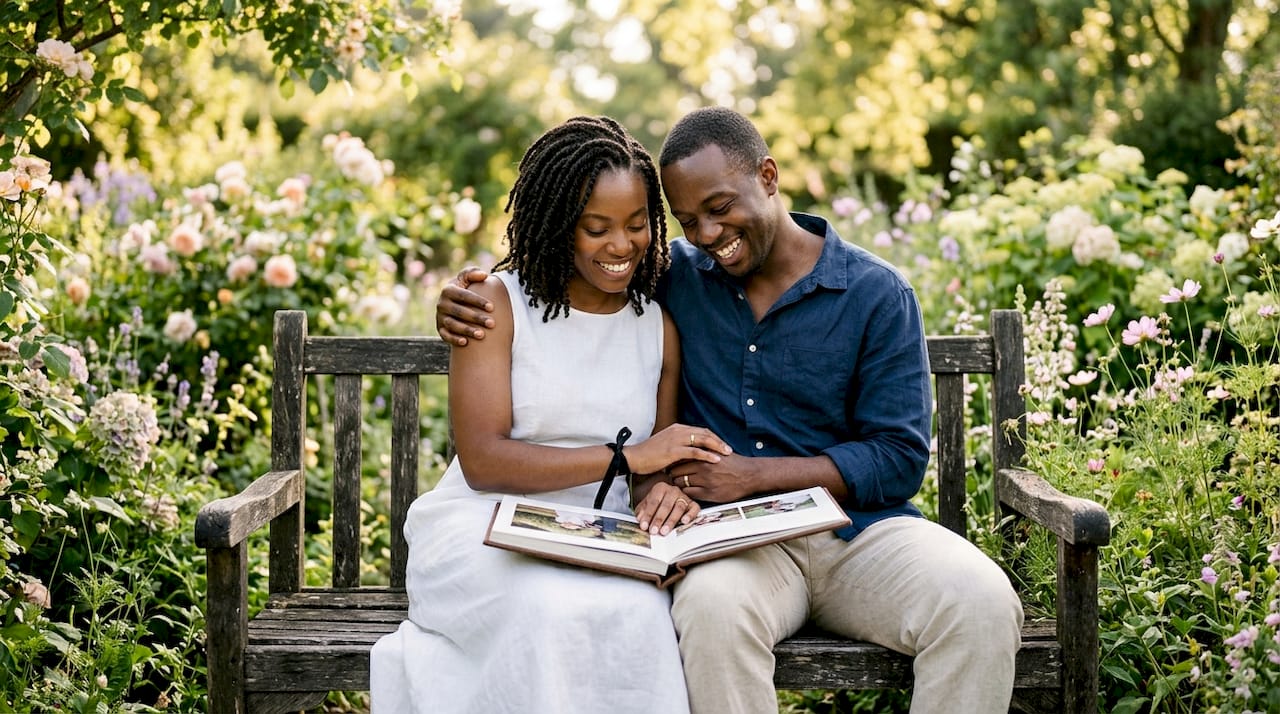
The arc follows a classic dramatic structure. Preparation shots establish anticipation and vulnerability. The ceremony delivers the emotional climax. Portraits and reception scenes build warmth and celebration. The final exit provides resolution, a sense of completion that makes the whole gallery feel satisfying rather than abrupt.
Every strong narrative arc contains three emotional beats:
- Anticipation: Getting ready, quiet moments with family, the first look
- Climax: The ceremony exchange, first kiss, first dance
- Resolution: Toasts, candid reception moments, the final exit
A clear climax and resolution guide the viewer emotionally through the gallery. Without them, even technically perfect photos feel like a slideshow. The table below maps each narrative stage to its storytelling function.
| Narrative Stage | Emotional Function | Key Moments to Capture |
|---|---|---|
| Preparation | Anticipation, vulnerability | Getting dressed, quiet reflection, family help |
| Ceremony | Climax, peak emotion | Vows, first kiss, reactions from guests |
| Portraits | Intimacy, connection | Couple alone, golden hour light |
| Reception | Celebration, warmth | Toasts, first dance, candid laughter |
| Exit | Resolution, closure | Sparkler send-off, final embrace |
Curation is what separates a narrative gallery from a photo dump. A skilled photographer selects images that move the emotional story forward, cutting anything that stalls the pacing, even if it is technically well exposed.
How can couples collaborate with photographers for authentic storytelling?
Clear communication before the wedding day is the single biggest factor in getting authentic, story-driven photos. True wedding storytelling comes from anticipating emotional build-up, not from relying solely on a shot list. Your photographer needs to know which moments carry the most weight for you personally.
Share the details that make your relationship specific. Tell your photographer that your grandmother taught you to dance, or that your partner cries at every ceremony they attend. Those details tell the photographer where to point the camera when the moment arrives. Generic shot lists produce generic galleries.
The most productive pre-wedding conversations cover these areas:
- Which relationships matter most (parents, siblings, close friends)
- Moments you are most nervous or excited about
- Any family dynamics that affect positioning or sensitivity
- Personal rituals you want documented (a private letter exchange, a prayer moment)
- Your honest preference between candid and posed coverage
Pro Tip: Brief your second shooter directly, not just through the lead photographer. Second shooters capture reaction shots during the ceremony and candid moments during cocktail hour. They need the same emotional context as the lead.
A wedding photo narrative built on personal context always outperforms one built on a standard checklist. Your photographer cannot anticipate what they do not know.
What photographic techniques are used to build a wedding story arc?
Artistic technique is what transforms a sequence of moments into a cinematic story. Cinematic wedding photography uses dramatic lighting, intentional composition, and natural motion to build emotional depth across the gallery. These are not accidental effects. They are deliberate choices made before the shutter clicks.
The core techniques that build narrative depth are:
- Rule of thirds: Placing subjects off-center creates visual tension and draws the eye naturally through the frame, making images feel dynamic rather than static.
- Leading lines: Aisles, staircases, and pathways guide the viewer's eye directly to the emotional subject, reinforcing the sense of direction and purpose in the story.
- Natural framing: Doorways, arches, and foliage frame subjects within the scene, adding depth and context that tells the viewer something about the environment and mood.
- Layering: Shooting through foreground elements like flowers or guests adds dimension and makes the viewer feel present in the moment rather than observing from outside it.
- Sequential storytelling: Sequences illustrate progression from anticipation through climax to resolution, enhancing the overall gallery value by showing how a moment unfolded rather than just its peak.
- Backlighting and golden hour: Rim lighting separates subjects from the background and creates a warm, emotional glow that reads as cinematic on screen and in print.
- Candid positioning: Photojournalistic photography prioritizes unposed moments to capture genuine emotions that define the wedding story. Skilled photographers pre-position themselves before moments happen, not after.
Pro Tip: Ask your photographer to show you examples of sequential storytelling in their portfolio before booking. A series of five images showing a toast from setup to tears tells a richer story than five separate posed portraits.
Editing ties all of these techniques together. Consistent color grading unifies a wedding gallery into a visual narrative that feels cohesive. Sophisticated editing balances contrast, skin tones, and mood so that images shot in different lighting conditions still feel like they belong to the same story.
How does the wedding day timeline influence storytelling in photography?
The timeline is the architecture of your wedding story. A poorly structured schedule forces photographers to rush between moments, cutting the time needed to capture emotional transitions. A well-built timeline creates space for the story to breathe.
A well-structured timeline with buffer periods reduces stress and allows better coverage of key narrative moments. Buffers are not wasted time. They are the gaps where unscripted, authentic moments happen, the ones that end up being your favorite photos.
The single most impactful scheduling decision is protecting time for golden hour portraits. Professional timelines recommend 60 minutes dedicated to golden hour shots for narrative success. That window produces the intimate couple portraits that anchor the middle of your gallery's emotional arc.
The table below shows how timeline structure directly affects storytelling coverage.
| Timeline Element | Recommended Time | Storytelling Impact |
|---|---|---|
| Getting ready coverage | 90 minutes | Captures anticipation and family connection |
| Ceremony | Actual duration plus 15 minutes buffer | Ensures full emotional arc from entrance to exit |
| Family formals | 30–45 minutes | Clears obligation shots efficiently |
| Golden hour portraits | 60 minutes | Produces the gallery's most intimate narrative images |
| Reception coverage | 2–3 hours | Documents celebration, toasts, and resolution moments |
Working with your photographer on a realistic wedding day timeline before the event is one of the highest-return investments you can make in your final gallery. The role of timing in wedding shots affects not just logistics but the emotional quality of every image captured.
Key Takeaways
A wedding story arc photography guide works because it combines deliberate narrative structure, authentic emotional anticipation, and consistent artistic technique to produce a gallery that tells a complete and moving story.
| Point | Details |
|---|---|
| Narrative structure matters | Curate images by emotional arc, not chronological order, for a gallery that feels complete. |
| Communication drives authenticity | Share personal context and key relationships with your photographer before the wedding day. |
| Technique builds emotion | Composition tools like leading lines, layering, and sequential storytelling create cinematic depth. |
| Timeline protects storytelling | Reserve 60 minutes for golden hour and build buffer periods to allow unscripted moments. |
| Editing unifies the story | Consistent color grading ties images from different lighting conditions into one cohesive narrative. |
What I have learned after 1,600 weddings about story arc photography
Couples consistently underestimate how much the planning conversation shapes the final gallery. After more than 16 years and over 1,600 weddings, the galleries that move people to tears are almost never the ones with the most elaborate setups. They are the ones where the couple trusted the process and stayed present.
The biggest mistake I see is treating the shot list as the story. A shot list is a safety net, not a screenplay. The real story lives in the five seconds before the vow exchange when your partner's face changes, or in the moment your father realizes the ceremony is actually happening. Those moments cannot be scheduled. They can only be anticipated by a photographer who knows what to look for and where to stand.
Authenticity requires a certain amount of letting go. Couples who spend the day managing every frame get technically correct photos. Couples who relax and trust their photographer get images that make them feel something ten years later. That is the difference between documentation and storytelling.
The storytelling methods that produce the most emotionally resonant galleries share one quality: the photographer was invisible enough that real moments happened in front of the camera. Your job is to choose a photographer whose instincts you trust, communicate your story clearly, and then get out of your own way.
— Atavia
How Ataviaweddings approaches your wedding story
Ataviaweddings has spent over 16 years building narrative-driven wedding galleries for couples who want more than posed portraits. Every booking starts with a detailed conversation about your relationship, your people, and the moments that matter most to you.

With a portfolio of over 1,600 weddings and 100% positive client feedback, Ataviaweddings brings both the technical skill and the emotional intelligence needed to capture a complete story arc. Their photography and videography packages are built to cover every stage of the narrative, from getting ready through the final exit, with combo options that unify photo and video into a single cohesive story. If you are ready to plan a gallery that actually tells your story, Ataviaweddings is now booking for 2027.
FAQ
What is a wedding story arc in photography?
A wedding story arc is a curated visual narrative that moves through emotional stages, from anticipation during preparation through the ceremony climax to resolution at the reception exit. It differs from a standard gallery by prioritizing emotional progression over chronological order.
How many photos should a wedding narrative gallery include?
Gallery size depends on coverage hours and the photographer's curation approach. A well-curated narrative gallery prioritizes quality and emotional pacing over quantity, selecting images that advance the story rather than simply documenting every moment.
When should golden hour portraits happen in the timeline?
Golden hour portraits work best in the 60-minute window before sunset, typically between the ceremony and reception. Professional timelines recommend protecting this window specifically because the light produces the most emotionally resonant couple portraits in the gallery.
How do candid and posed photos work together in a wedding narrative?
Candid images capture genuine emotional reactions, while posed portraits provide the intimate, composed moments that anchor the gallery. The strongest wedding narratives blend both styles, using posed shots for key relationship moments and candid coverage for everything in between.
What should couples tell their photographer before the wedding day?
Couples should share which relationships carry the most emotional weight, which moments they anticipate most, and any personal rituals or family dynamics the photographer should know about. Anticipating emotional build-up rather than relying on a shot list produces the most authentic storytelling results.
Recommended
Planning your wedding?
Atavia films and photographs weddings nationwide — local teams, no travel fees, and a $500 deposit reserves your date.
Reserve Your Date